


How Are Cigarettes Made? A Look Inside the Manufacturing Process
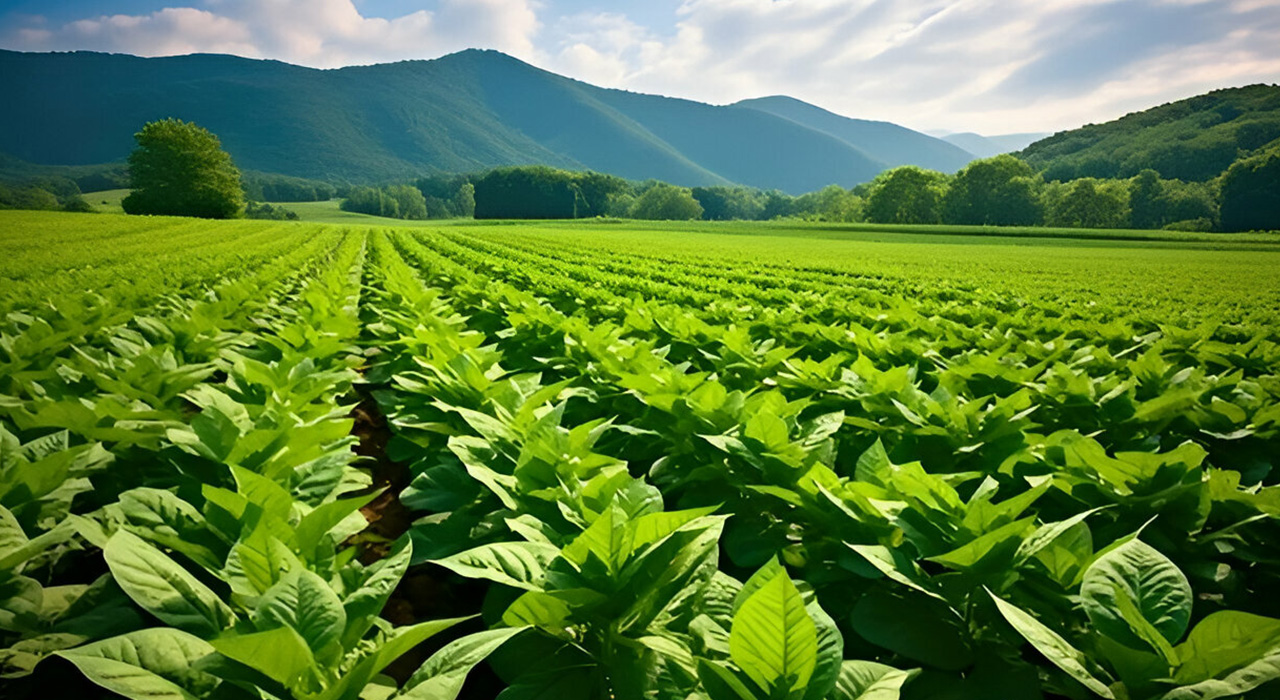
Cigarettes may seem like simple products—paper, tobacco, and a filter—but behind each one is a detailed and carefully controlled manufacturing process. From growing the tobacco to packaging the final product, cigarette production combines agricultural expertise, chemical blending, and high-speed automation to deliver a consistent experience to smokers around the world.
Whether you’re a casual smoker or simply curious about how cigarettes are made, this guide walks you through the full production process—from leaf to pack.
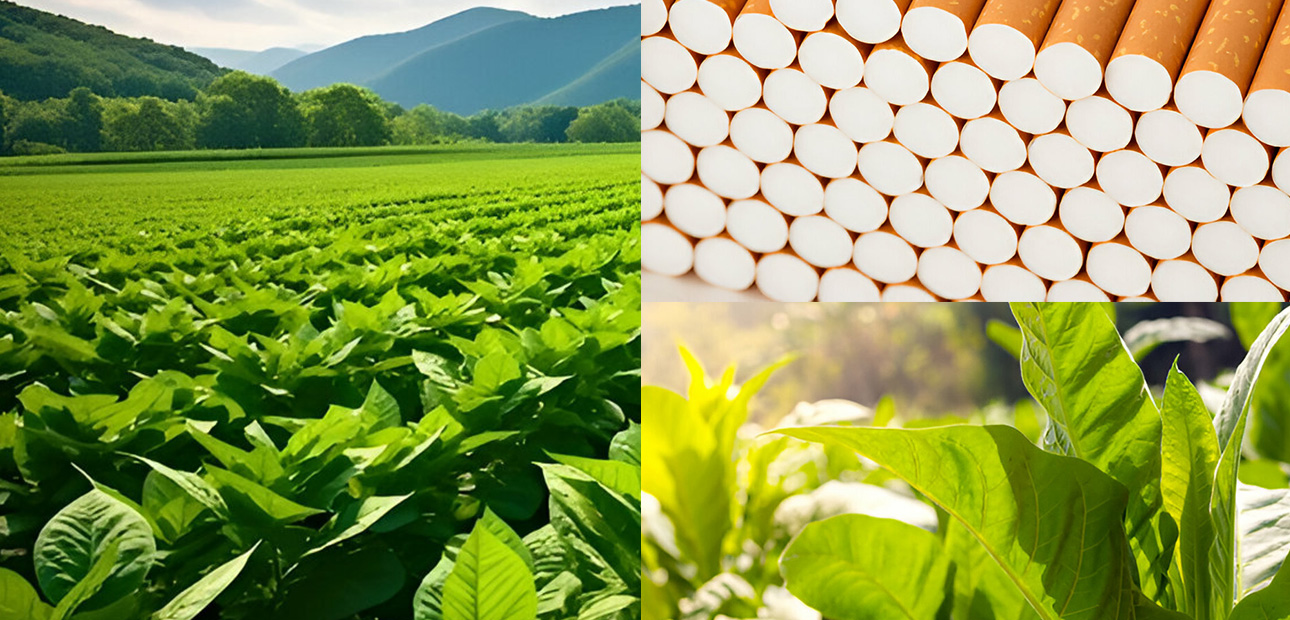
1. Growing and Curing the Tobacco
Cigarette production begins with the cultivation of tobacco plants, primarily Nicotiana tabacum. These are grown in warm climates such as the southern United States, South America, parts of Africa, and Asia. Once mature, the leaves are harvested and then cured to bring out their distinctive colour, aroma, and chemical composition.
The curing process involves four main methods:
- Air curing: Leaves hang in well-ventilated barns to dry slowly.
- Flue curing: Heat is applied to barns in a controlled manner to dry the leaves faster.
- Sun curing: Leaves dry naturally in direct sunlight.
- Fire curing: Leaves are exposed to smoke from open flames, giving a more intense flavour.
The method chosen affects the final taste and nicotine strength of the tobacco.
2. Blending and Flavouring
After curing, tobacco leaves are sorted and blended to create specific flavour profiles. Most cigarette blends include a combination of different types—typically Virginia, Burley, and Oriental tobacco. This blend determines the overall taste, smoothness, and nicotine delivery of the cigarette.
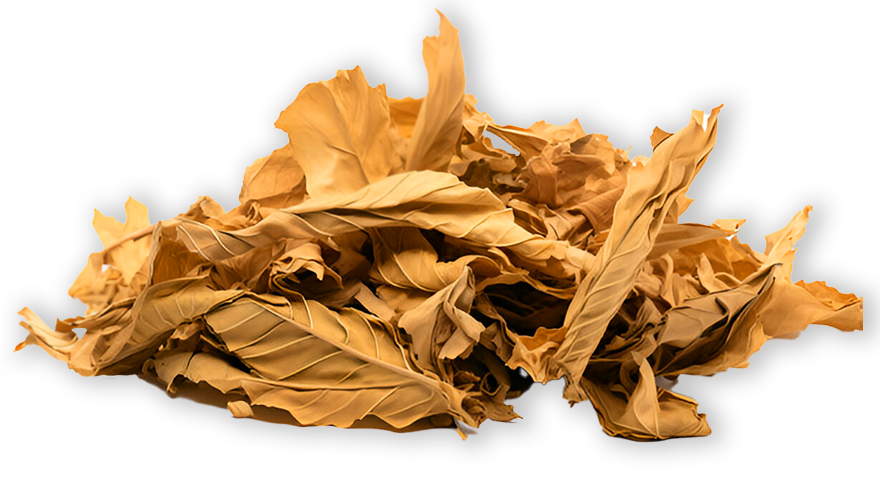
Tobacco is then processed with flavour additives and humectants (moisture-preserving agents). Common ingredients added at this stage include:
- Sugars to reduce bitterness
- Liquorice, cocoa, or fruit extracts to enhance aroma
- Glycerol or propylene glycol to maintain moisture content
Each manufacturer uses a proprietary recipe that distinguishes one brand’s flavour from another. Brands like DisCOUNT, PlayFare’s, DuMont, and Canadian are all known for their unique blends.
3. Cutting and Conditioning the Tobacco
Next, the processed tobacco is cut into fine strands, sometimes called “rag.” These strands are what fill the body of the cigarette.
Once shredded, the tobacco is conditioned—meaning it’s reheated and humidified to the optimal temperature and moisture level. This step ensures the tobacco remains fresh and burns evenly when smoked.
4. Preparing the Paper and Filter
Cigarette paper is made from fibres like flax or hemp and is specially designed to burn at a controlled rate. Some types of paper include ventilation holes, which are either pre-punched or laser-perforated. These dilute the smoke with air and influence how the cigarette draws.
Filters are usually made from cellulose acetate, a material designed to reduce the amount of tar and particles inhaled by the smoker. Filters are attached with tipping paper, which wraps around the end of the cigarette and may display subtle branding or design cues, depending on the product.
5. Assembling the Cigarette
Once the tobacco, paper, and filter are ready, they are combined using fully automated machinery. These machines operate at extremely high speeds and perform the following tasks:
- Feed the tobacco into long, continuous paper rolls
- Wrap and seal the paper
- Attach filters at regular intervals
- Cut the cigarettes to precise lengths
- Inspect and discard defective units
Some modern production lines can produce over 20,000 cigarettes per minute, allowing for large-scale output while maintaining consistency.
6. Quality Control and Testing
Before reaching consumers, cigarettes are subject to strict quality control procedures. These checks help ensure that each product meets the manufacturer’s specifications for weight, size, draw, and burn characteristics.
Typical quality assurance steps include:
- Measuring weight and density
- Checking tobacco moisture content
- Verifying draw resistance and burn rate
- Conducting visual inspections for imperfections
Some manufacturers also use machine-smoking devices to test smoke chemistry, including levels of nicotine, tar, and carbon monoxide.
7. Packaging
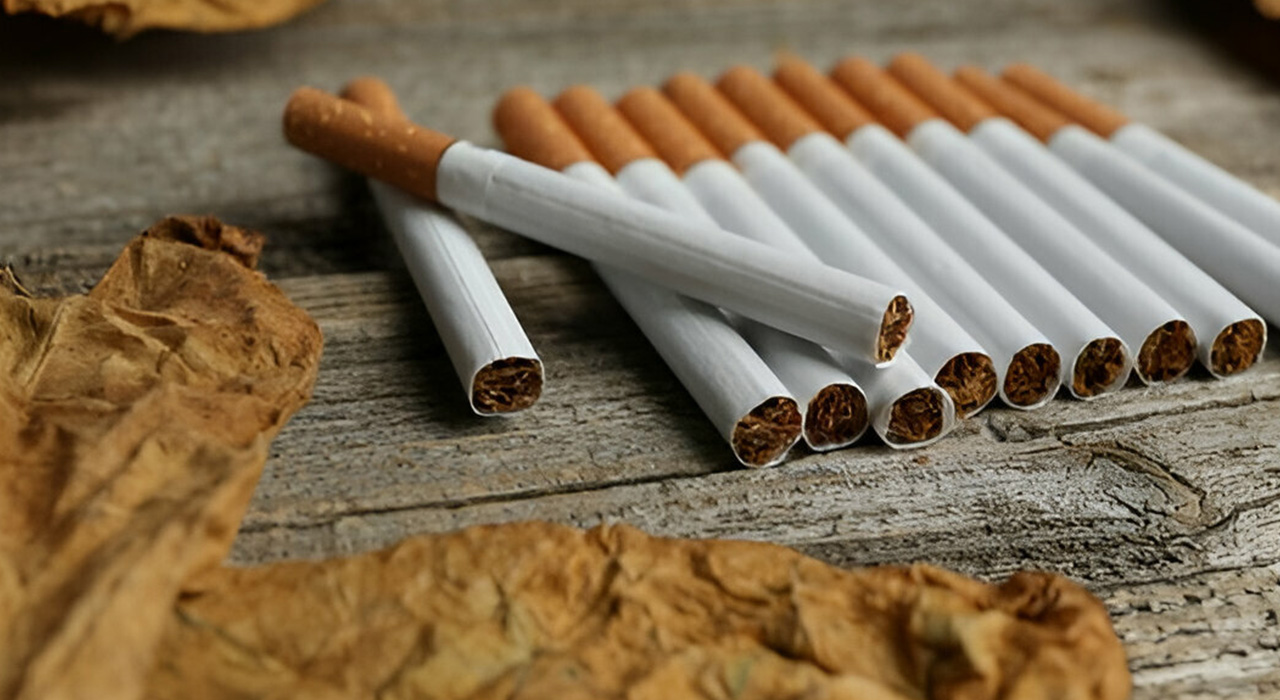
After passing quality control, the finished cigarettes are packed into boxes—either hard packs or soft packs, typically containing 20 cigarettes each. Packs are then grouped into cartons for wholesale and retail distribution.
Packaging design varies by brand and often reflects the blend type or strength, using different colours or subtle graphic elements to distinguish between product lines.
Each pack is sealed to maintain freshness and includes a code for tracking production details such as factory, batch number, and manufacturing date.
8. Shipping and Retail Distribution
Cigarettes are then boxed, palletized, and shipped to distributors and retailers. Storage and handling procedures are important at this stage to ensure the product remains in optimal condition before reaching customers.
Whether sold at convenience stores, specialty tobacco shops, or online retailers, cigarettes go through multiple logistical steps before arriving in consumers’ hands.
Final Thoughts
Cigarette production is a complex and tightly managed process that begins on the farm and ends on the retail shelf. Every step—from growing and curing tobacco to machine assembly and packaging—is designed to produce a consistent, high-quality product for adult consumers.
While the components may seem simple, the attention to detail in crafting each cigarette reflects decades of industry development and refinement. Understanding how cigarettes are made offers insight into the craftsmanship, technology, and scale behind one of the world’s most recognizable consumer products.