


Different Types of Cigarettes Explained: Regular, Menthol, Light & Beyond
Whether you’re a long-time smoker or new to choosing cigarettes, the range of options on the market can be surprisingly complex. From regulars to lights, menthols to specialty blends, each type offers a different experience in terms of flavour, nicotine delivery, and smoothness. For anyone buying cigarettes in Canada, understanding the differences can help ensure you get the product that best matches your preferences.
In this guide, we’ll break down the major types of cigarettes available, including how they’re classified, how they’re made, and what to consider when choosing between them.

Regular Cigarettes
Also known as “full flavour” cigarettes, regulars are the most classic option. These typically contain higher levels of tar and nicotine than light or ultra-light varieties. They’re known for a strong, robust taste, which is often preferred by long-time smokers who are used to a bolder hit.
Brands like DuMont, DisCOUNT, Playfare’s offer regular-strength cigarettes that have maintained popularity for decades. These cigarettes are often chosen by smokers looking for a full-bodied experience and a more traditional tobacco taste.
Key Characteristics:
-
- Higher nicotine and tar yield
-
- Stronger throat hit
-
- Often richer in tobacco flavour
If you’re switching from roll-your-own tobacco or have experience with cigars, regular cigarettes may feel the most familiar.
Light Cigarettes
“Light” cigarettes are designed to offer a smoother and milder smoking experience, with reduced tar and nicotine yields compared to regulars. While the term “light” has been widely used, it’s important to note that Health Canada and many global regulators have moved away from these descriptors due to potential consumer misconceptions.
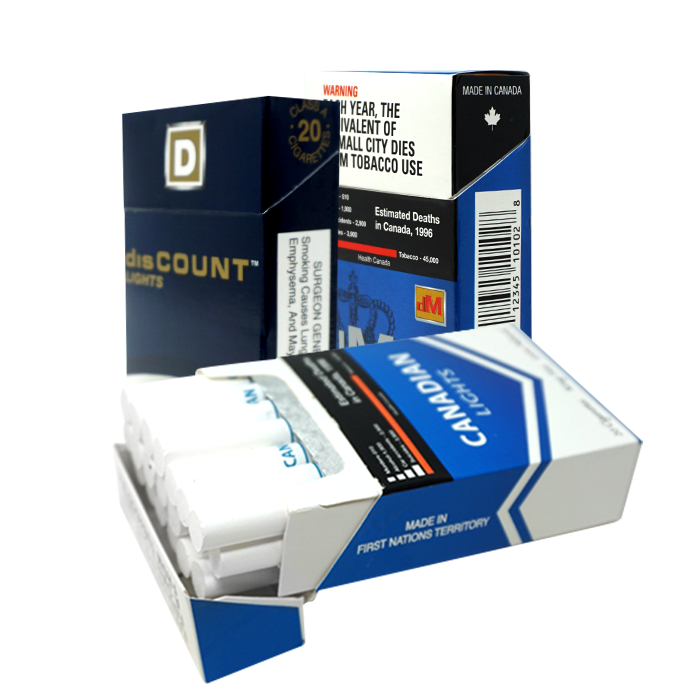
Key Characteristics:
-
- Smoother smoke
-
- Perceived as easier on the throat
-
- Typically lower yield of tar and nicotine (though smoking technique affects actual intake)
Despite the shift in terminology, these cigarettes remain a popular option for those who want a milder smoking sensation.
Menthol Cigarettes
Menthol cigarettes contain a flavour additive derived from peppermint or similar sources, giving the smoke a cooling, minty sensation. This cooling effect can make the smoke feel less harsh and more refreshing, which appeals to some smokers.
Key Characteristics:
-
- Minty, cooling sensation
-
- Often perceived as smoother
-
- Previously popular among younger smokers and first-time users
Filtered vs. Unfiltered Cigarettes
Most cigarettes on the Canadian market today are filtered, meaning they have a small section of cellulose acetate (the filter) at the mouth end of the cigarette. The filter is designed to trap some tar and particles, giving the impression of a “cleaner” smoke.
Unfiltered cigarettes, by contrast, do not have this component. The result is a harsher, stronger smoke that delivers more tar and nicotine directly to the smoker. These are much less common today and are typically chosen by smokers who want a raw, unfiltered tobacco experience.
Filtered Cigarettes:
-
- Most widely sold
-
- Perceived as smoother
-
- Standard option for most brands
Unfiltered Cigarettes:
-
- Stronger taste
-
- More nicotine and tar
-
- Niche market presence in Canada
Slim & Super Slim Cigarettes
These cigarettes are narrower than the standard size, and are often marketed with a sleeker appearance. While once associated with lifestyle branding (often geared toward female consumers), Canada’s plain packaging laws have neutralized much of the design-based appeal.
Slim cigarettes may feel lighter or more delicate, but they generally contain similar amounts of nicotine per puff due to how they burn. Some users prefer them for their size, aesthetics, or perceived smoothness.
Key Characteristics:
-
- Thinner design
-
- Often perceived as more refined or elegant
-
- Typically produce less smoke volume

Roll-Your-Own (RYO) Tobacco vs. Factory-Made Cigarettes
Roll-your-own (RYO) tobacco remains a popular alternative to pre-manufactured cigarettes, especially among price-conscious consumers. Smokers purchase loose tobacco, rolling papers, and filters separately to create their own cigarettes.
Pros of RYO:
-
- Cost savings
-
- Custom control over cigarette size and strength
-
- Wider choice of rolling papers and filters
Cons of RYO:
-
- Less convenient
-
- Requires some skill and time to prepare
-
- May lack consistency
If you prefer a more hands-on approach or want to tailor your smoking experience, RYO tobacco can be a worthwhile option.
Choosing the Right Type for You
Selecting a cigarette is a personal choice that often depends on taste, throat sensitivity, nicotine preference, and lifestyle. Here are some quick considerations:
-
- If you want bold flavour and a strong hit, regular cigarettes are your go-to.
-
- If you prefer smoothness with a bit less intensity, go with light or silver-labelled products.
-
- If you like cooling effects, try legal alternatives to menthol such as mint-flavoured nicotine pouches.
- If you enjoy customization, RYO tobacco offers flexibility.
- If you want discretion and no smoke, consider switching to tobacco-free nicotine products like ZYN.
Final Thoughts
The cigarette market offers a wide variety of options tailored to different preferences, from bold, full-flavoured blends to smoother, lighter alternatives. While packaging and branding may differ by manufacturer, the core differences in flavour, strength, size, and construction remain significant.
Understanding the various types of cigarettes—regular, light, filtered, slim, and more—can help you choose a product that suits your personal taste and smoking style. Whether you’re drawn to the consistency of factory-made cigarettes or the flexibility of roll-your-own tobacco, knowing the key distinctions is essential to finding the right fit. If you have any questions, feel free to message our customer support team!